Yunnan Provincial People's Association for Friendship with Foreign Countries
  Provincial Sister Cities
 State Sister Cities
 County-level sister cities
 friendly village
 This year's key promotion cities
 New sister cities this year
 Sister cities in progress
 Deepen cooperation with sister cities
Chinese and American experts talk about traditional Yunnan architecture
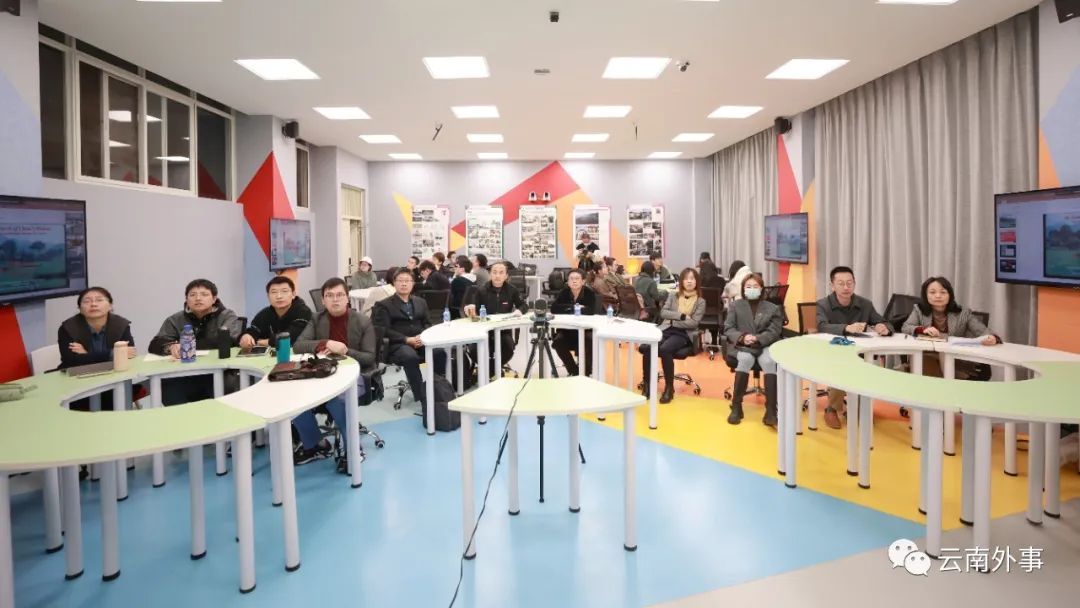
11Moon3Day, "Tracing Yunnan" — Yunnan Traditional Architecture Seminar held in three locations: West德威尔 Friends School in Washington DC, USA, Kunming University of Science and Technology, and Xilin Garden in Dali, Yunnan, via "online".+ offline" mode.
The seminar aims to showcase the distinctive architectural culture of China, especially Yunnan Province, through the reconstruction of "Chinese dwellings" in the United States, and to enhance people-to-people exchanges between China and the United States. Experts from both countries discussed topics such as the history and characteristics of Chinese folk architecture, the protection and inheritance of traditional architectural culture in Yunnan, and the promotion of friendly exchanges between China and the United States.
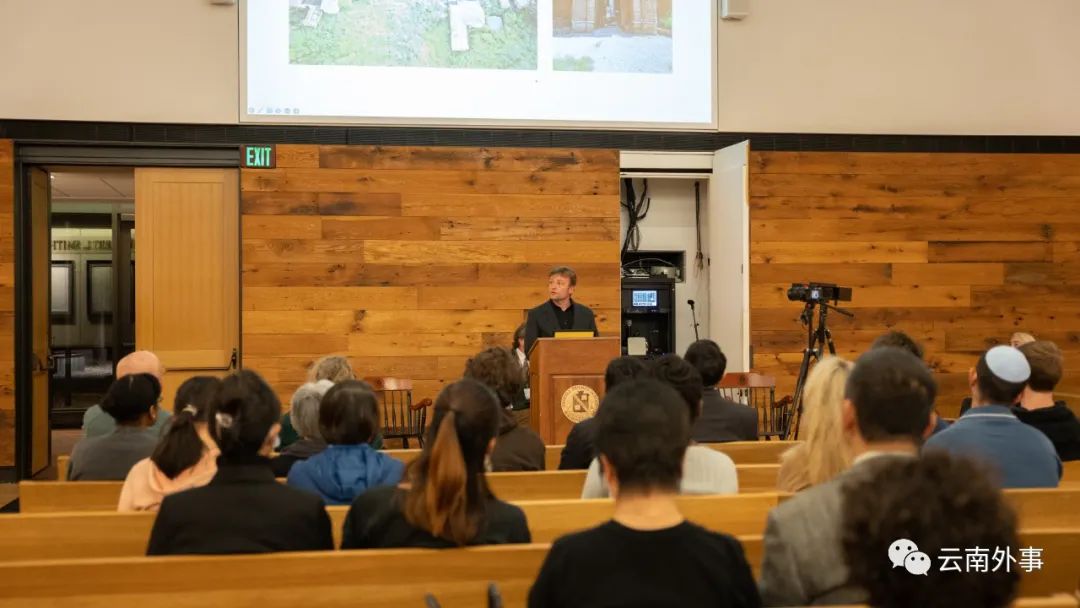
The initiator of the "Chinese Residence" reconstruction project is Dr. John Flou勒 and his wife, which reconstructs a residence from Yunnan in the United States in the town of Jefferson, West Virginia, on the banks of the Shenandoah River. Once completed, the reconstruction of the residence will provide a space for the American public, especially young people, to understand Chinese customs and folk culture.
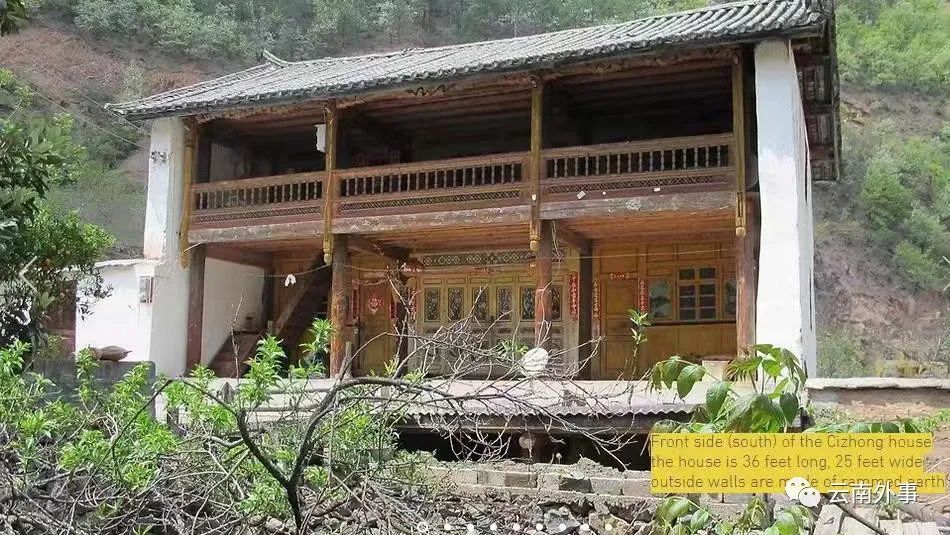
(Imge source:chinafolkhouse.org)
Professor Emeritus of the State University of New York, USA, and Chinese folk architecture expert Na Zhongliang:
I have been studying Chinese rural architecture for decades. I have been to many places in China, including Yunnan, the richness and diversity of Yunnan's folk architecture are very prominent.
Chinese dwellings embody the Chinese people's understanding of nature, as well as the imprint of adapting to nature and living in harmony with it. Architecture provides people with spaces for living, working, socializing, and relaxing. We can also see the evolution of culture from the various types of dwellings.
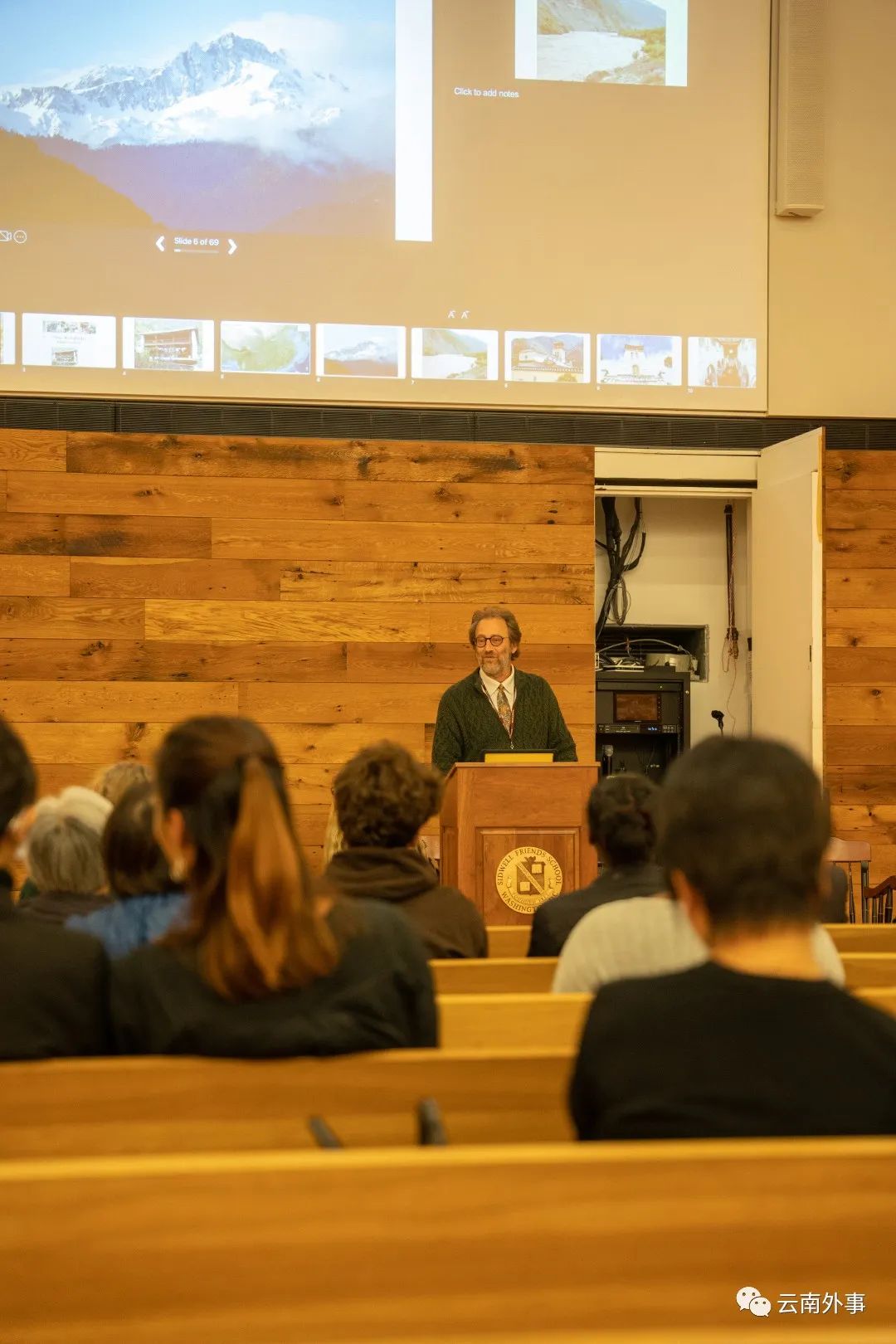
Director of the China Research Center of the West DeWitt Friendship School in the United States,“Chinese rural housing"Reconstruction project initiator John·Dr. Flourel:
The "Chinese Residential" reconstruction project reconstructs a residential building from Yunnan, which condenses the life and culture of the locals. We hope that through it, more Americans can have a more intuitive understanding of China and Chinese culture.
Many people from both China and the United States have helped with the project. In the United States, many community members and students have participated in the reconstruction of the "Chinese House". I call the reconstruction process the "re-translation" of architecture. We have retained the original features of the house while also incorporating artistic creativity and the understanding of local craftsmen in the United States.
Houses are not isolated; they are closely connected to the community. The reconstruction of houses is also the reconstruction of relationships. Walls can be barriers or they can be connections. In the process of reconstructing this residence, we all work together, and teamwork allows us to deepen our relationships and become more closely connected.
Xie Fei, Deputy Director of the Contemporary Art Museum in Kunming:
Special natural conditions and colorful ethnic culture constitute the unique residential style of Yunnan. For example, the mushroom houses of the Hani ethnic group, together with the terraced fields and water systems, constitute a functional and integrated system. The Dai ethnic group's settlements extensively use bamboo and wood to build houses on stilts, adapting to the humid and hot natural environment.
Recently, the Kunming Contemporary Art Museum and the School of Architecture and Urban Planning of Kunming University of Science and Technology and other institutions cooperated to hold the "In·Wild: Yunnan Traditional Architecture Research Exhibition". This exhibition, through a large number of data, models, drawings, presents the diverse and integrated rural architecture in Yunnan, the harmonious folk wisdom between people and nature, and the unique social culture. Through this exhibition, we feel more deeply the diversity of Yunnan architectural culture. We hope to continue related projects in the future.
Bryan, the person in charge of Dali Xilin Garden·Lindon:
Architecture reflects how our ancestors adapted to the environment and lived in harmony with it. It also embodies ideas and culture. I have always wanted to promote Chinese architecture as a carrier of culture, allowing travelers from around the world to gain a deeper understanding of the country.
I started to participate in the protection of traditional architecture by renovating the Yang Pinxiang house, and I learned a lot of experience from it.
I believe a key focus of traditional architecture conservation is to breath life into these buildings, to be innovative and balanced, and to have a positive impact on the local community.
Taking Xilin Garden as an example, we adhere to "repairing the old as the old", respecting the original architectural culture, and also integrating the community into it. For example, the hotel50%Public spaces are open to the community, including libraries, children's rooms, fitness centers, classrooms, etc. Villagers feel that they are part of the project and are more willing to participate in the protection of traditional culture.
Zhai Hui, dean of the School of Architecture and Urban Planning at Kunming University of Science and Technology:
The vernacular architecture in Yunnan embodies the Chinese philosophy of "harmony between man and nature, and difference within harmony", reflecting the harmony between humans and nature, humans and humans, architecture and humans and nature. In recent years, the protection of traditional dwellings in Yunnan has achieved good results, and the public's awareness of protection has been continuously improved.
With the improvement of people's living quality, residential buildings are also changing, and the way of protecting residential buildings also needs to change. Architecture is "living", and only with people does it have "life". For traditional architecture, while doing a good job in museum-style static protection, we should also explore how to achieve better protection through the combination of protection and utilization.
Kunming University of Technology has already started cooperation with some foreign schools in architecture. We expect to cooperate with the United States next year to hold an exhibition of traditional Yunnan architecture in the United States. In addition, we also hope to cooperate with foreign schools to build more joint work camps and carry out research and practice.